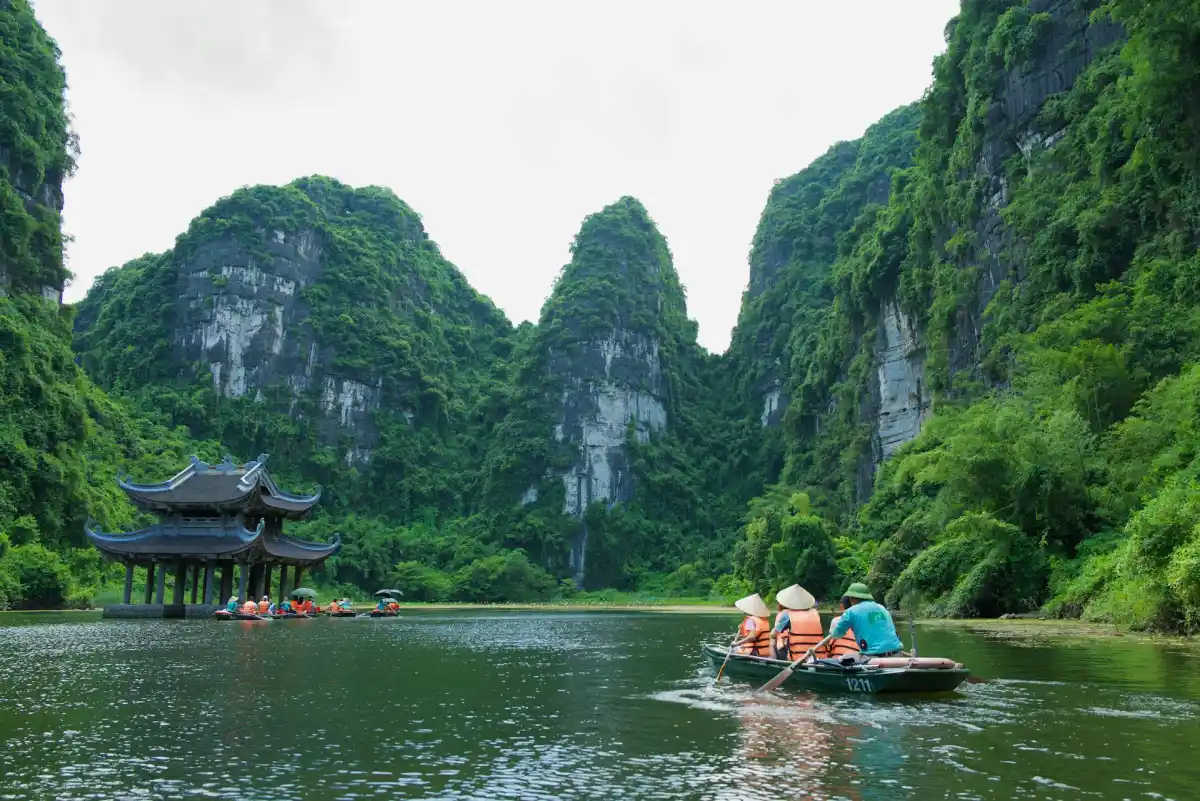
Set in the mountains of northern Vietnam, the Ha Giang Loop is one of the top adventures in Southeast Asia. If you imagine Vietnam as rice terraces, limestone peaks, endless views, and winding rivers, this is where it all comes together. Tourists have been visiting Ha Giang for more than 60 years, but it still feels natural and real. For many travelers, especially from Canada and France, it has become a highlight of their trip.
Before you start the ride, there are things worth knowing: visas, safety, logistics, food, and the emotions of the journey. So keep reading to see why this journey matters and why this guide is essential for Canadian and French travelers using the eVisa.
What is the Ha Giang Loop
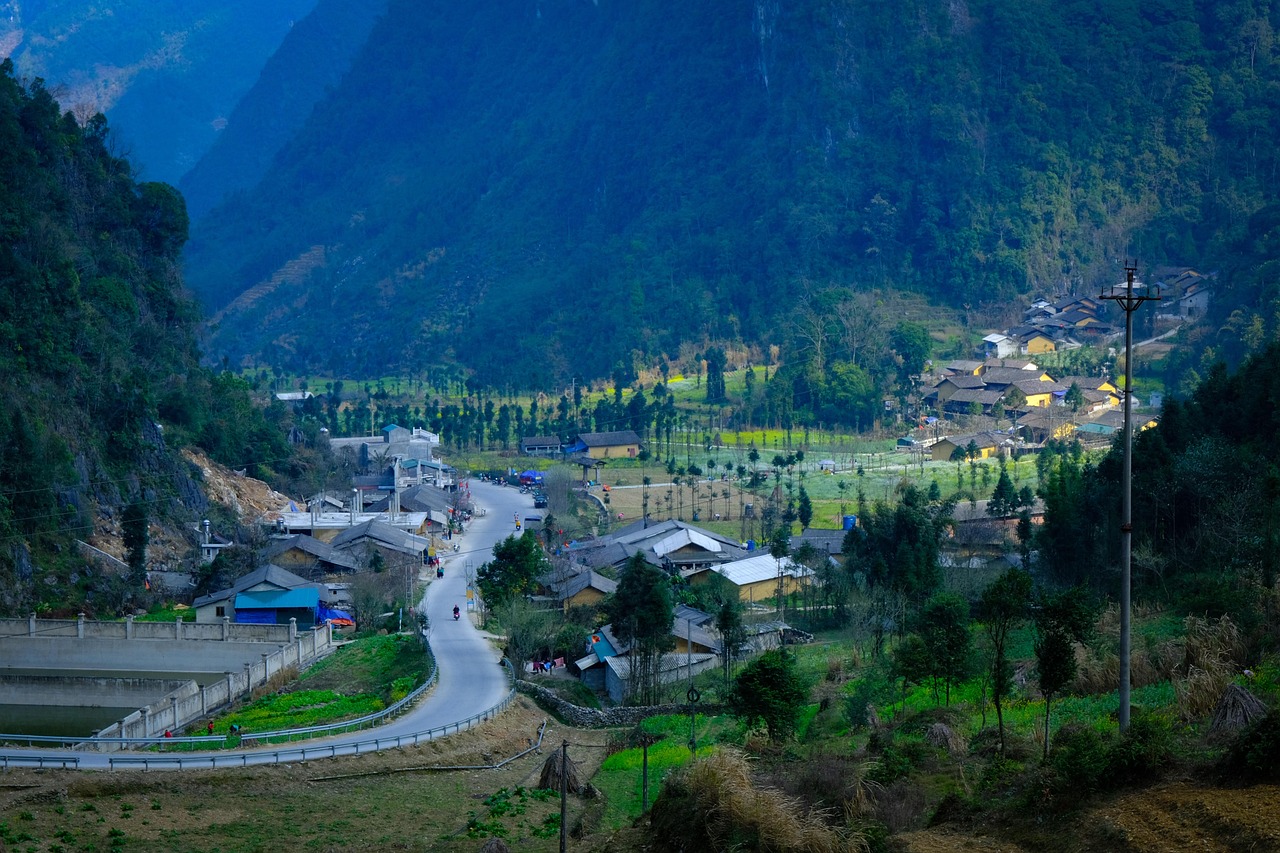
The Ha Giang Loop is a legendary motorbike trip in northern Vietnam, more than 300 kilometres north of Hanoi and running along the border with China. The circular route takes you through sharp karst mountains, deep valleys, winding rivers, and terraced rice fields. Along the way, you pass through remote villages and experience the culture of ethnic groups such as the Hmong, Tay, and Dao.

The journey is quite adventurous. Roads can be steep, narrow, and sometimes broken, with long stretches between fuel, food, or places to stay. But this difficulty is also part of the experience. The Loop shows you Vietnam at its most natural, with changing light on the mountains, long stretches of silence, and the everyday life of local villages.
Most travelers spend 3 to 5 days on the Loop. Three days covers the main highlights, while four or five days lets you slow down, enjoy sunrise views, and explore side valleys. Many riders call it the best part of their trip to Vietnam, especially compared to Sapa, which feels more touristy and crowded.
Vietnam eVisa for Canadian and French Travelers
If you are Canadian or French and planning the Ha Giang Loop journey, your first practical step has to be the visa. Vietnam offers an eVisa system that makes things much easier.
Vietnam’s eVisa is an electronic visa issued by the Vietnamese Immigration Department. It allows most foreigners to enter Vietnam via ports, airports, or approved land crossings. As of August 2023, most nationalities can apply for Vietnam’s eVisa.
The eVisa can be single-entry or multiple-entry. It can be valid up to 90 days, depending on your nationality and visa.
It’s always best to apply for your Vietnam eVisa well in advance, ideally one to two weeks before you travel. During peak seasons, like spring blossoms or the rice harvest, flights sell out quickly, and services get busy. So even small delays can disrupt your plans.
Planning Your Ha Giang Adventure
Once your evisa is sorted, the Loop begins to feel real. Now, you’ll need to make decisions on when to go, how many days, how to ride, where to stay, and what you’ll see. Each choice shapes your journey and makes the adventure truly adventurous.
Video Courtesy @Adventures of Lauren & Jason
Best Time to Ride
The weather will shape how you experience the Ha Giang Loop. From March to May, you’ll ride through fresh spring air, blooming flowers, and misty green valleys that feel full of life. Between September and November, you’ll see golden rice terraces, buckwheat blossoms, and clear skies. That is the most photogenic season for many travelers.
As winter comes, from December to February, you’ll face colder air, especially in high passes near Dong Van or Meo Vac. Mist and fog might slow you down, and the roads can get a bit slippery. Still, that’s also when you’ll enjoy fewer tourists and a quieter ride. Summer is different over there. From June to August, the heavy rains make things messy and dangerous. That’s the one season you’ll really want to avoid.
How Many Days Needed
You can ride the Ha Giang Loop in different ways, depending on how much time you have. With 3 days and 2 nights, you’ll cover the main circuit from Ha Giang City to Yen Minh, then on to Dong Van, across Ma Pi Leng Pass, through Meo Vac, and finally back to Ha Giang. It’s a full ride, but quite intense, and you may miss some of the sunrise and sunset magic along the way.
Spending 4 to 5 days is far better if you want immersion. You’ll have time to explore small villages, take side detours, rest between rides, and catch the golden hour light in the best spots.
Starting Point: Ha Giang City
Ha Giang City is your basecamp and the gateway to the Loop. It’s small enough to feel different from Hanoi. At the same time, it’s big enough to provide what you need, from motorbike rentals and guesthouses to basic gear and local food.
Before setting out, you’ll also need a Ha Giang Loop permit. Immigration checkpoints are found along the route, and foreign travelers must show this document when asked. The permit is inexpensive, and most rental shops or local offices can help you arrange it quickly.
Riding Options: Solo vs Easy Rider
You have choices, depending on how much control you want vs how much comfort you need.
- Solo Riding: It means renting a motorbike and driving it yourself. The good part is that you control the pace and can stop anywhere you want. However, it also means you must handle navigation, deal with road conditions, and fix any problems with the bike. Plus, you need the correct driving license or permit.
- Easy Rider / Local Guide & Driver: With an Easy Rider, a local guide drives while you ride pillion. They know the roads, the hidden places, and how to stay safe, which makes the trip smoother and more interesting. It takes some additional cost, but you will get the comfort.
Cost Comparison
In 2025, renting a motorbike usually costs around 20 to 30 USD per day. If you hire a motorbike with a driver or guide, expect to pay around 60 to 80 USD per day, sometimes more, depending on the package or your negotiation. Fuel costs average about 20 USD a day, depending on your bike size and how much climbing you do. You’ll need to remember this is extra on top of rental fees.
Travelers on the Ha Giang Loop can expect to spend about 40 to 60 USD for a few nights. Homestays in villages are the cheaper, more authentic choice, offering a closer look at local life, while guesthouses in towns like Dong Van or Ha Giang City provide added comfort.
Food costs average 30 to 50 USD for the trip, with plenty of local dishes such as pho, soups, grilled meats, and street snacks. Western-style meals are available too, but usually at higher prices.
Daily expenses may change based on individual tastes and the way you choose to interact with local communities.
Note: Before you head out, take a moment to check your motorbike. Look at the brakes, tires, and lights carefully. The roads on the Ha Giang Loop are demanding, and a well-maintained bike will make the journey much safer. You’ll also need a small buffer for unexpected things: bike repairs, weather delays, souvenirs, extra snacks.
Highlights Along the Ha Giang Loop
The Ha Giang Loop is a trip full of feelings and memories. First, at the Dong Van Karst Plateau, the cliffs, ridges, and valleys are so huge and dramatic that you can’t help but stop and stare.

Photo Credit: lilystravelagency.com
Then, as you ride the Ma Pi Leng Pass, the road hugs the cliffs with the Nho Que River far below. On a clear day, the endless view makes you feel both excited and very small in the world.
If you come on a Sunday, the Meo Vac Market is a must-see. It’s busy, colorful, and loud. You smell grilled meat, see bright clothes, and hear children laughing. It feels like chaos, but also full of tradition.Finally, the trip brings you to the Lung Cu Flag Tower and the Happiness Road. At Lung Cu, the flag waves strongly at the country’s northern tip, giving a proud and moving feeling. From there, riding the curves of Happiness Road shows not only the beauty of the mountains but also the hard work of the volunteers who built it.
Why Canadians and the French Love the Ha Giang Loop
You may wonder what makes this route especially appealing to Canadians and French travelers.
Canadians are naturally drawn to wild landscapes and a sense of remoteness, and the Ha Giang Loop delivers both in abundance. At home, they are used to wide skies, mountain ranges, and untamed nature, so the rugged peaks and raw beauty of northern Vietnam feel both excitingly foreign and strangely familiar.
For the French, the appeal often comes from cultural and historical ties. Vietnam’s shared past with France, combined with rich food traditions and living heritage, creates a strong connection. French travelers also prefer offbeat, authentic journeys over polished resorts, and Ha Giang offers exactly that.
Both Canadians and the French value slow, immersive travel. They enjoy village stays, local markets, and cultural encounters.
Safety and Travel Tips
You want this trip to be unforgettable for the right reasons, and safety makes all the difference.
- Roads are steep and narrow. So, ride slowly, especially on curves or in rain and fog.
- Always wear a helmet, gloves, and protective clothing.
- Check brakes, tires, lights, and fuel before setting off.
- Carry cash, since ATMs are hard to come by.
- It’s best to avoid riding at night for your safety.
- Get travel insurance that covers motorbike accidents.
- You need your license plus an International Driving Permit (IDP). If you’re not licensed, hire an Easy Rider.
- Vietnam only accepts IDPs under the 1968 Vienna Convention.
- Buy a SIM or eSIM. The coverage is patchy but useful.
- Pack layers, rain gear, and waterproof bags.
- Carry first aid, mosquito repellent, and sun protection.
Conclusion
For Canadians and the French alike, the Ha Giang Loop is special because it combines adventure, culture, beauty, and challenge. With Vietnam’s eVisa system, the entry became simpler than ever. All you need to do is get your eVisa early, check your passport and license, and decide whether you want the independence of riding solo or the ease and insight of an Easy Rider.
In the end, the Ha Giang Loop is more than just a road. It’s a living story. When you ride it, you become part of that story and carry home a chapter that belongs only to you.